
I might be kidding myself but I like to think that I don’t look like I weigh as much as I do. So many people have told me that I am being drastic when I say I’m considering weight loss surgery. I can 100% promise you that it is not a drastic measure.
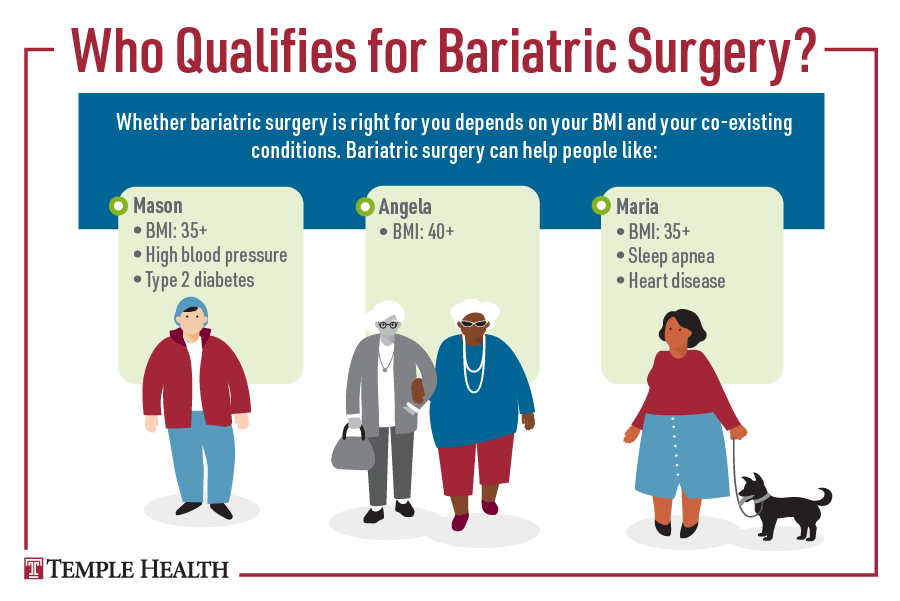
In order to qualify for weight loss surgery, a patient needs to have a BMI of between 35 and 40 with comorbidities like diabetes, high blood pressure, etc. You also qualify if your BMI is over 40 with no comorbidities.
What is the history of BMI?
BMI stands for body mass index. It is a measure of a person’s weight (in kilograms) divided by the square of their height (in meters). The BMI scale was created by Adolphe Quetelet in the early 1800s. The problem was that Adolphe was not a physician, but rather he was a mathematician.
Adolphes goal was to study the average man. His goal was to compare thousands of measurements and discover what was the ideal. The first problem with this is that Quetelet was doing this study in Belgium. All of the individuals he studied were western European white men. He also did not do any measurements of actual health. This process might be useful to find averages within a large group, but does nothing at the individual level.
So for 200 years, this was the BMI standard. But it also was not heavily used as a measure of health. Then in the 1970s, Ancel Keys (of the fat causes heart attacks fame) reevaluated the BMI study. However, like Quetelet, he did not use an accurate representation of the population. His study only measured 7,426 “healthy” men from 12 sample groups.


How BMI is problematic.
The big issue with the body mass index is that it only takes into account height and weight. It does not take into account muscle mass, body shape/type, ethnicity, gender, age, and more. This means if you use the BMI chart in someone like an athlete or body builder, it will regularly say that they are overweight if not obese. Are they unhealthy? Doubtful.
Secondly, the only people studied were men. Women are built differently from men, and normally carry more fat. This extra fat is normal and beneficial, but it doesn’t matter for the BMI scale.
It also mostly does not take race into account. The first study only looked at white men. The second looked at a more diverse group, but still extremely limited (American, Italian, Finnish, Japanese, South African-and only specific groups within those nationalities). However modern studies have shown that different ethnicities and nationalities carry their fat differently.
What is my BMI?
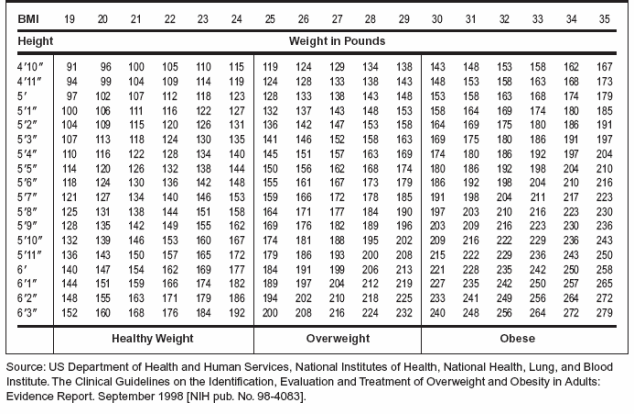
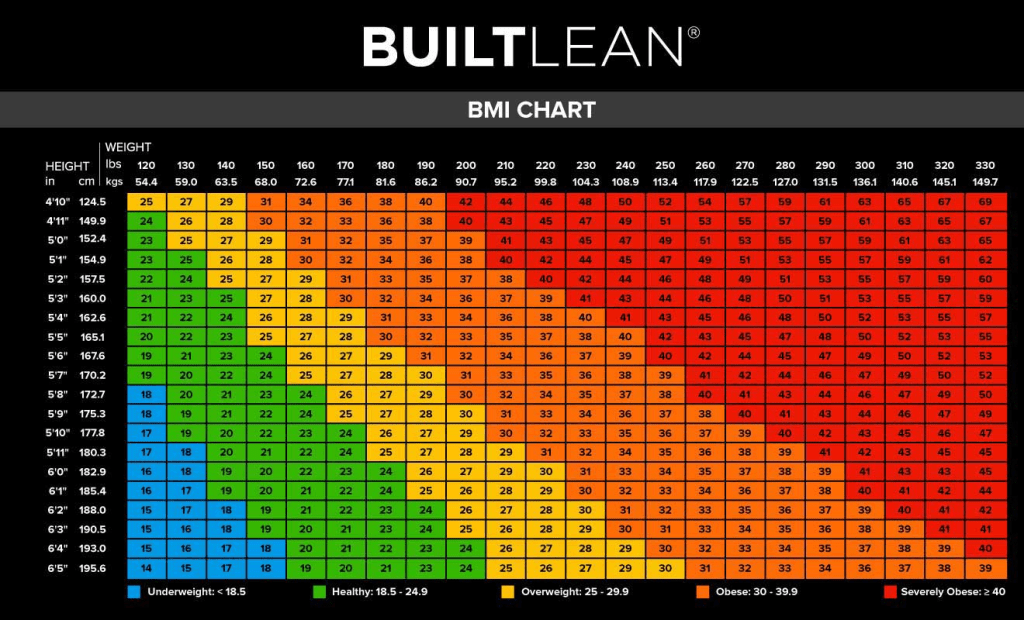
At my last Doctor’s appointment, my weight was 263 lbs (119.3 kg). and my height was 5′ 3″ (1.60 m). This puts my BMI at 45.8. On the BMI chart, this is classified as severely obese, Super Morbidly obese, or Class III obesity.
Based on the BMI scale, a healthy weight range for my height is between 107 and 135. Being 100% honest, I think the last time I was 107 lbs. I was 8 years old. Is it my goal to get down to 107 lbs.? No. Do I think that’s a healthy weight for me? Absolutely not.
I was asked for a goal weight at my initial consultation and I said 160 lbs. However, I did specify with Dr. Shetty that I wasn’t as concerned about a number as I was with my overall health. Basically if I hit 160 and am still losing, great. If I hit 140 and am happy and comfortable at that weight, great. If I hit 180 and am happy and comfortable at that weight, great. What is a bigger factor is my health. I want my diabetes to go away. I wand my high cholesterol to go away. I don’t want to get high blood pressure. I want normal liver function. I don’t want to get sleep apnea.
That being said, if I were 160, I would still be considered overweight, and borderline obese. That doesn’t mean that it is not a healthy weight for me. So to answer the question posed in the title of this post, I don’t know, but currently it’s at least 100 lbs.

 Vanishing Velez
Leave a comment