
September 28, 2023
Since I had already been to two other informational sessions, and had done a TON of research, I pretty much knew immediately following the St. Mary’s informational session that I wanted to move forward with surgery.
My insurance had not only specified that I needed to do surgery at St. Mary’s, but also that I had to use either Dr. Shetty or Dr. Macaron as my surgeon. I was impressed with Dr. Shetty when he did his presentation at the informational session, so I decided to go with him. To be honest, I did no research into Dr. Macaron, since I knew I liked Dr. Shetty-though I do have a friend who had weight loss surgery with Macaron and told me he was fine. The day after the information session, I reached out to Dr. Shetty’s office and scheduled a consultation appointment. The woman on the phone was very nice, and I was able to answer the few questions I had.
A few days later, I received a call from the bariatric coordinator to see if I wanted to continue the process, and I informed her that I had already scheduled my consult. She was also wonderful and informed me that I could reach out with questions at any time.
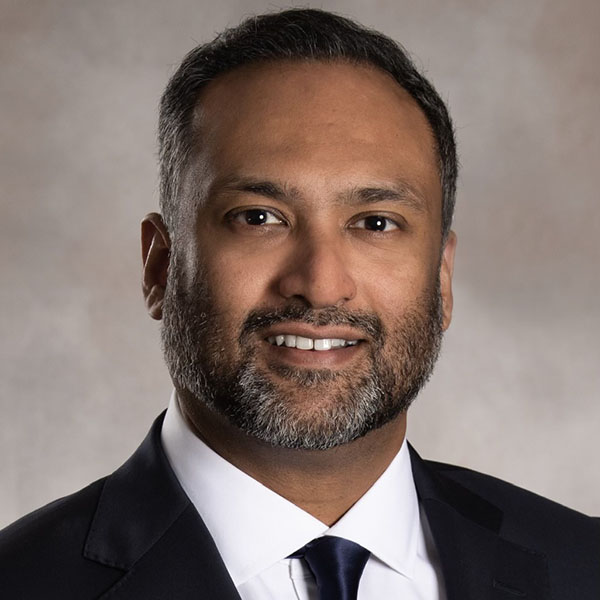
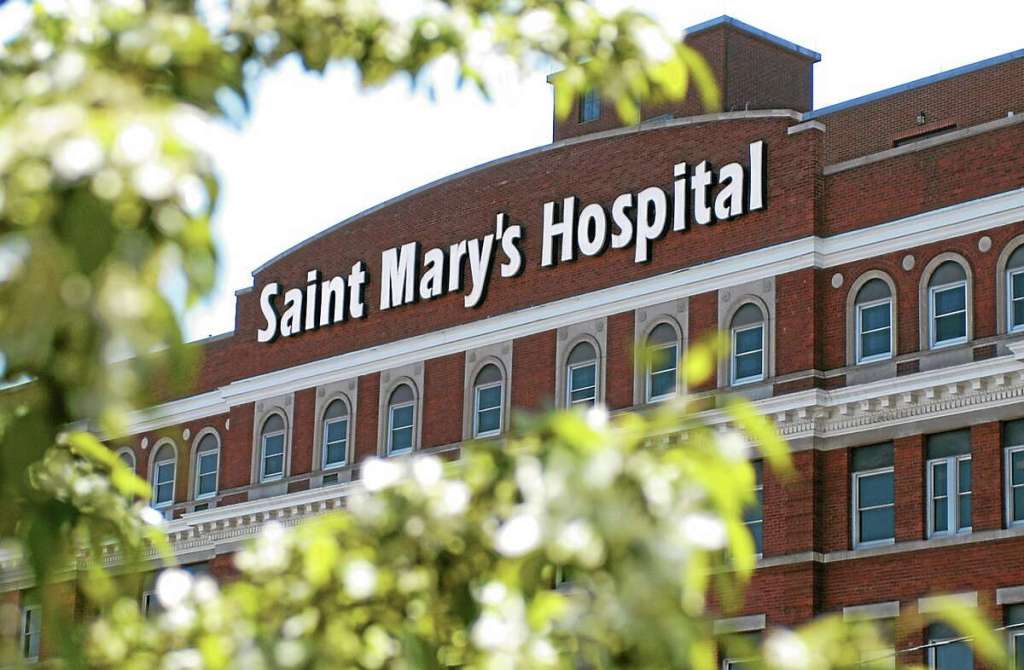
Dr. Shetty is the director of Bariatric Surgery at St. Mary’s Hospital, Waterbury. He attended medical school in India and then trained in the UK before starting his residency at St. Mary’s. He has also completed a postdoctoral research fellowship at Yale School of Medicine, and a Bariatric and Minimally Invasive surgery fellowship at UT Southwestern Medical Center in Dallas, TX.
Cut to Thursday, September 28, 2023. I took a nice scenic drive to Waterbury (I’ll bet you never thought you’d hear that one). My appointment was at 1:45pm. I definitely gave myself enough time to get there, but then I didn’t realize that I had to take a right at a fork in order to get into the parking garage-and it was a one way street. That meant that I had to go around the block to go back to the intersection to turn correctly. Then, I had to go up multiple stories in the garage to find parking.
As an aside, I really appreciate that the parking was free. When I go to Yale, I have to pay for parking, and it is really annoying.
Eventually I got to the office, and a very friendly receptionist/medical assistant (? I don’t really know what she was) greeted me, and gave me a bunch of paperwork to fill out. This paperwork asked about my medical and surgical history, why I was seeing the doctor (he does more than bariatrics), my family medical history, etc. It did not seem much different than any of the paperwork you fill out when you see a new doctor. I was surprised that they were very specific about what they mention for family medical history. For example, my family has a history of certain issue, and I do not remember a question about it in the paperwork.
Anyways, once the paperwork was filled out, I sat in the waiting room. The room was pretty small, and had chairs lining the walls. Half of the chairs were regular sized chairs, and the other half were wider chairs. When I arrived, there was only one other person in the room. By the time I was called in, every seat was taken.
I was brought to the back by one of the nurses. She took my weight, asked me my height (and then took my height when I told her my height had not been measured in years), took my blood pressure, pulse, oxygen level, and all that jazz. She then brought me into an exam room and handed me a packet of information. I am not going to scan the pages, because I have notes on there, etc. However, I will go through page by page with what was included in this packet later on.
I would guess that I was waiting less than 3 minutes from the time the nurse left until Dr. Shetty came in. He has a really warm and inviting smile, and started off by confirming that I was there for bariatric surgery, and then asked how much weight I was looking to lose. I was completely honest with him and told him that I find fault with the Body Mass Index chart, especially considering the history of its creation and the fact that it does not take into account the density of fat vs. muscle. But that being said, I probably have a solid 100 lbs to lose to be at a more healthy weight (note that if I lost 100 lbs, I would still be considered overweight on the BMI Scale). He responded that that was extremely doable. He went on to discuss how VSG surgery usually helps patients lose approximately 85% of their excess weight (based on BMI). So my 100 lb goal was right in line with that weight loss.
I wanted to make sure that I made it exceptionally clear that I did not have a set number in my head when I decided on VSG. It’s not like I said, I need to get down to 120 to consider the surgery successful. Rather, I want to be healthy for Beatrix, be able to play with her, run with her, coach her teams, and be alive with her for as long as possible. I also expressed to him that I was considering having another child, but wanted to do the surgery first, since I had pretty extreme gestational diabetes with my first, and was hoping to avoid that with my second. Lastly, I expressed that I did not want to rush this process and did not want to consider actually having surgery until next summer. I really appreciate that Dr. Shetty acknowledged that an extended wait time before surgery can be beneficial in regards to long term success. I told him point blank that I wanted to be successful, which means not rushing the process.
He then asked about my personal history with weight, including why I thought I gained the weight, what I’ve tried to do to lose it, my predisposition (if any) to obesity, the amount of exercise that I do, etc. Normally, when I hear this type of question, I feel attacked, but I didn’t this time. I don’t know if Dr. Shetty just has a fantastic bedside manner, or if mentally, I’m just at a different point or what.
But I was honest with him. I said that I overeat, I struggle to recognize when I’m full, I eat when I’m bored, I eat when I’m stressed, I mindlessly snack, I get hangry, I like sweets, I like carbohydrates, I don’t move all that much, and I struggle to find time to go to the gym.
I felt it was extremely important to be upfront and honest-because he might have said, you need to work on those things before you start this process. I mean Dr. Shetty does hundreds of these surgeries a year. He knows what makes people get approved and what doesn’t. But he didn’t judge. Instead, he went into the process of VSG vs RNY. He said that he did not think that I needed a RNY, and so would recommend a VSG. He also explained that the VSG removes the section of the stomach that is responsible for managing our hunger hormones. This will help control the mindless snacking as well as the overeating. He also explained that many patients find that their tastes have changed after surgery. Many people do not want sweets anymore. They also sometimes can’t keep down other foods that they relied on previously. He also discussed how nutritional counseling was an integral part of weight loss surgery, and I might find that having that counseling is enought that I might not even need surgery.
He did explain, though, that most people struggle to lose weight once they have so much to lose because our bodies do not like to let go of that weight (it’s a holdover from when we were nomadic peoples). Most people who have 100+ lbs to lose can not sustainably keep that weight off long term. He did encourage me to try to lose as much as I can, because it would make it easier for me in the long run-but he did not want me doing any sort of fad diet. Rather, follow the plan of the nutrition experts and go from there.
I also asked about Ozempic or other injectables, and Dr. Shetty told me that while ot can be an option, he does not recommend it for people who are considering WLS because it’s just putting a bandaid on a bigger issue that you are already addressing through surgery.
I sometimes find doctors difficult to understand because they use terminology that I don’t know. That was not the case with Dr. Shetty. He explained everything in terms that I understood and made sure to ask if I knew what things were before he continued. You would also expect him to have an accent, but while I definitely heard it on some words , I was able to easily understand everything he said.
He then felt around my stomach area to see how big my liver felt. He listened to my heart and lungs as well. Once he completed this very very basic exam, he asked if I had any questions. Here are my questions and their answers to the best of my memory.
Q & A

Q: In the research that I’ve done, many of the patients are required to go on a liquid diet pre-operation. Do you require that? If so, how long?
A: He does not require a liquid diet until 24 hours before the operation. That diet is really to shrink the liver, and he does not often have problems navigating around the liver.
Q: What does exercise look like after surgery?
A: No strenuous exercise for like 2 months-especially no abs. Immediately after the surgery, staff have you walking to help remove the gasses in your abdomen. But beyond walking for the first two months, for the most part take the stairs, lifting light weights, etc. He also said that we would go into more detail regarding this when we get closer to surgery.
Q: Beyond the psych evaluation and nutrition, what other procedures do I have to go through?
A: Because my heart is in good condition, the only thing additional that I would need to do is an endoscopy. While he said that I do not need pulmonologist clearance, I am going to follow up with that and request a consult just in case.
Q: Do I need to see a psychologist/psychiatrist through them, or can I use my own if I have one?
A: The psychologist/psychiatrist needs to be bariatric certified, so they have everybody go through their psych.
Q: After I’m approved for surgery, how long is it before the operation typically?
A: After approval, you have six months to schedule and have your surgery. Waiting longer than that, and you might need to go through another round of nutrition or psych depending on what your insurance requires.
Q: Are there any support groups he recommends?
A: Since COVID-19, most support groups have moved online. If I want one that meets in person he could look into it. He pointed out that all support groups have different personalities, so no two are the same. He recommended trying a few out to find one I liked.
Q: What does a typical recovery time look like?
A: 24-36 hours in the hospital after surgery, and then from there 7-10 days of recovery at home. The less manual labor required at your job, the sooner you can go back to work.
After Dr. Shetty answered all of my questions, he told me the next step was scheduling my nutrition visit. We agreed that towards the end of January/early February, I would start the process of getting the psychological evaluation, endoscopy, etc. From there, I was brought back out to the front by one of the nurses and scheduled my first nutrition appointment. Due to the fact that the nutrition person is on vacation for a part of October, the first appointment available was not until November 3rd. I scheduled for that date, and will return then.
The Handout
This section will go page by page of the handout mentioned previously and summarize what is on each page.
- Contact information for the weight management institute, as well as important information that are standard for every patient. This includes smoking cessation, being drug free, nutrition visits, psych clearances, endoscopies, and establishment of a PCP
- Bariatric checklist: includes a place to put the dates of appointments and lists all of the clearances in the order they must be obtained.
- Contact information for Dr. Shetty: this page is pretty much the title page of a PowerPoint (which I believe the rest of the pages actually are)
- Meet your Surgeon: a brief resume of Dr. Shetty
- Meet Our Staff: names, contact information, and what their focus is
- Gastric Bypass Vs. Sleeve Gastrectomy: quick informational guide-very top level
- Insurance Requirements: this page has the general requirements that all insurance companies require
- Insurance Requirements: this page is a chart that has the specific requirements for my insurance specifically
- Pulmonary: contact info for the Pulmonologist
- Cardiology: contact info for the Cardiologist
- Nutritional Counseling: Contact info for the PA-C and Nutrition services
- Psychological Evaluation: contact info for the preferred psychologists. This also includes a note that you should loop in your personal psychologist and psychiatrist if you have them and are planning on having bariatric surgery.
- Necessary steps checklist: basically once you check everything off, you can tell the office that you’re ready for them to contact your insurance company
- Insurance Authorization: this is just an informational page telling you what will happen
- Services Provided to Bariatric Patients Pre-and Post-Operative: this includes information about a bariatric exercise and wellness program and weight loss support groups. To be honest, I did not really have enough time to get to this section in the packet or I would have asked about the requirements for these (going to Waterbury in the hours that they have listed for exercise programs is just not going to happen)
- Factors that contribute to surgery prevention or cancellation: basically do the shit they tell you to do or you can’t get surgery
- Accreditations and Distinctions: basically look at all of our awards. Interesting, but not important for your surgery
- Thank you page. This is why I think that this was originally a PowerPoint.
My Thoughts
So all in all, I am happy about how this first appointment went. I felt that Dr. Shetty and his staff were extremely kind and knowledgeable. I felt comfortable with him and with the rest of the office staff. I felt confident that I was making the correct decision, and did not feel forced into having the surgery in any way whatsoever.
I was not thrilled that there was only one nutrition person that the regularly referred patients to. I would have liked to have that appointment sooner. The reason I say that, is because I don’t want to start trying to implement healthier habits and come to find out that what I was implementing was incorrect and I need to start over. I guess I wish that there was a handout or something that was like “what you can do between now and your first nutrition appointment”.
I am going to start trying to track my food in my fitness pal, so at least when I go to my appointment, I can bring with me an honest representation of what and how much I eat.
I will be back before the nutrition appointment, I’m sure. But until then, don’t forget to follow me on social media and sign up for my newsletter, so that you can get information about new posts and other fun things!
 Vanishing Velez
Leave a comment